Gut health has become the new frontier in wellness. From mood and metabolism to immunity and inflammation, our digestive systems are finally getting the attention they deserve. But while modern diets chase imported probiotics and trendy gut resets, many nutritionists are pointing toward a more grounded, time-tested solution: our own everyday plate.
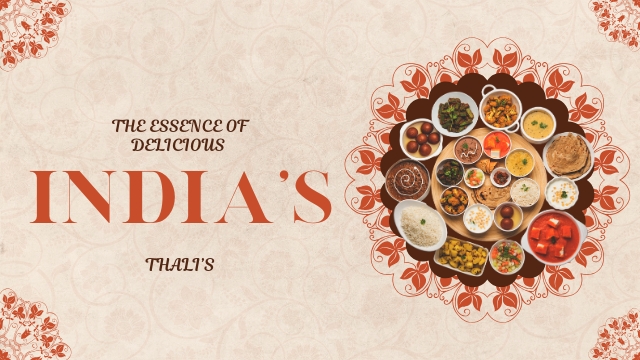
Balanced meals rich in spices, ferments, and fiber—common in traditional Indian diets—are now being recognized globally for their ability to support the gut microbiome naturally. And what’s most surprising? These foods aren’t new. They’ve been quietly nourishing millions for generations.
The Gut as the Body’s Control Center
The gut is home to trillions of microorganisms that influence everything from digestion and immunity to energy levels and mental clarity. Known as the gut microbiome, this internal ecosystem thrives on diversity, balance, and the right fuel—namely, prebiotics, probiotics, and anti-inflammatory foods.
Poor diet, stress, and highly processed food can disrupt this balance, leading to bloating, fatigue, lowered immunity, and even mental health challenges. The good news? Restoring gut health can start with something as simple and accessible as your next meal.
Spices That Heal from Within
In many cultures, spices are added for flavor. But in traditional Indian cooking, they serve a deeper purpose—supporting digestion and reducing inflammation.
-
Turmeric contains curcumin, a powerful anti-inflammatory compound.
-
Cumin (jeera) and fennel stimulate digestive enzymes.
-
Ajwain and hing (asafoetida) ease gas and promote gut balance.
-
Ginger helps reduce nausea and supports bile flow.
When these spices are added thoughtfully—like in dals, sabzis, or tempered rice—they don’t just make food delicious. They help the body break it down, absorb it, and use it effectively.
Fermented Foods: Live Cultures, Longstanding Benefits
Fermented foods are rich in probiotics, the beneficial bacteria that keep the gut microbiome diverse and resilient. Luckily, many everyday Indian foods are already naturally fermented:
-
Dahi (curd) is perhaps the most common probiotic, cooling the stomach and aiding digestion.
-
Kanji, a fermented black carrot drink, is packed with good bacteria and antioxidants.
-
Idli and dosa batters undergo natural fermentation, making them gut-friendly and easy to digest.
-
Homemade pickles, when prepared without preservatives, also support gut diversity.
Fermentation not only preserves food—it enhances its nutritional value and introduces healthy microbes into the gut, where they go on to support digestion, immunity, and even mental clarity.
Fiber: The Gut’s Favorite Fuel
Fiber is often overlooked in daily meals, yet it plays a starring role in maintaining gut health. It feeds the “good” bacteria, helps sweep out toxins, and supports regular bowel movements.
Indian diets, when rooted in tradition, are naturally rich in plant-based fiber:
-
Whole grains like jowar, bajra, and brown rice offer complex carbs and fiber.
-
Lentils and legumes such as moong, masoor, and chana dal are prebiotic powerhouses.
-
Seasonal vegetables—from gourds to greens—support a well-rounded microbiome.
Even simple additions like flax seeds, methi seeds, and amaranth leaves can significantly boost fiber content. When eaten in their whole forms and paired with healthy fats like ghee, these ingredients deliver both nourishment and satisfaction.
Eating as a Daily Ritual, Not a Rush
Gut health isn’t just about what we eat—it’s also about how we eat.
Traditional habits like eating warm, freshly cooked meals, avoiding distractions during meals, chewing thoroughly, and keeping a regular meal schedule all play important roles in digestion.
Eating slowly gives the gut time to prepare for digestion, promotes mindful eating, and allows our internal systems to do their job without stress. Combined with gut-friendly ingredients, these habits form a sustainable foundation for long-term wellness.
Final Thoughts: Gut Health on Your Plate
While the wellness industry continues to launch supplements and powders, one truth remains unchanged: your kitchen is your best pharmacy.
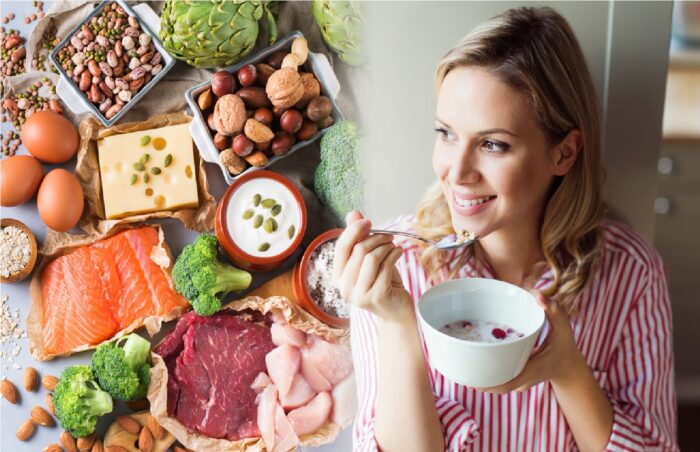
With the right spices, naturally fermented foods, and fiber-rich ingredients, your everyday meals can help protect and restore gut health—no fad diet required. And in embracing traditional wisdom with modern awareness, we not only heal our bodies—we reconnect with food that feels intuitive, grounded, and nourishing in every way.
So the next time you reach for your plate, remember: a healthy gut doesn’t begin at the chemist. It starts with what’s on your spoon.